Commercial Waste Hackney
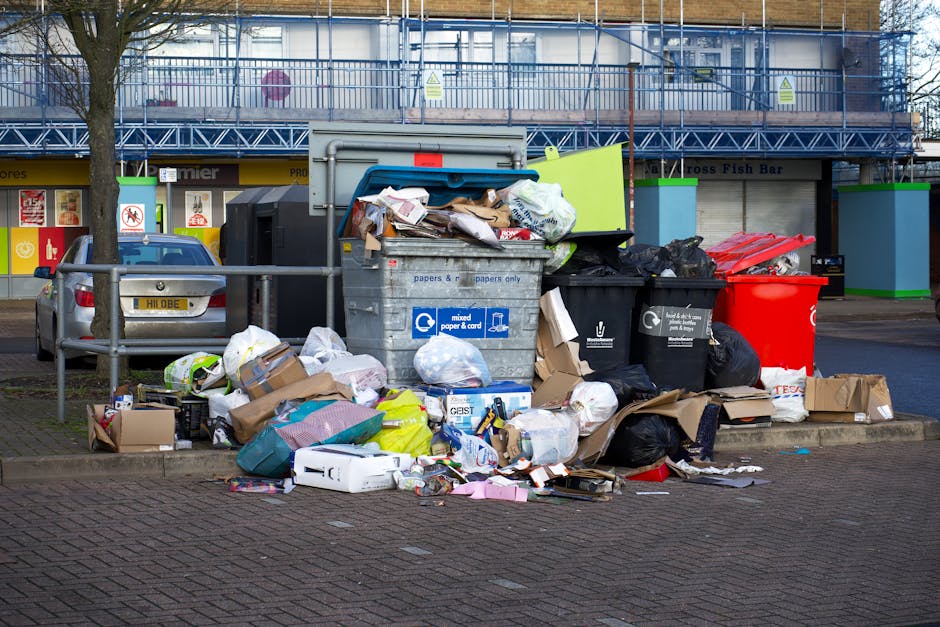
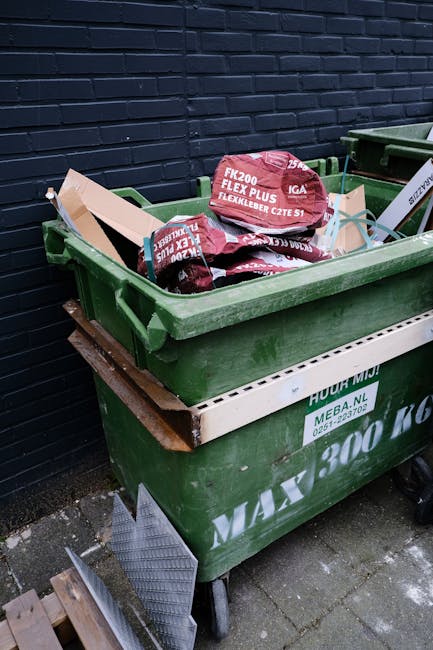
Commercial waste in Hackney needs a practical, reliable approach that keeps day-to-day operations moving while making disposal straightforward. We provide business waste removal for offices, shops, studios, hospitality premises and other commercial sites in the area, with a focus on collecting mixed non-hazardous waste, separating recyclable materials where possible and helping customers choose the right service for the type of waste they produce. The aim is simple: keep waste under control without making collection arrangements more complicated than they need to be.
Our service can cover recurring commercial collections as well as one-off clearances when premises need a fuller reset after a refit, relocation or stock change. Different business settings create different waste streams, so the most useful starting point is to identify what needs removing, how often it builds up and whether any items need special handling. We can then match the work to a more suitable collection plan rather than forcing everything into the same pattern.
For a clear starting point, tell us what sort of premises you run and what waste you need cleared. If you already know the volume and the likely collection frequency, that helps keep the quotation process focused. If not, a simple description is still enough to begin. When you are ready, request a quotation and we will help you choose the most suitable route.
Regular business waste collections
Many businesses need a routine collection service rather than an occasional clearance. That is often the case for offices, shared workspaces, retail units, storage areas and service businesses that generate packaging, paper, general rubbish and discarded consumables week after week. A sensible collection plan helps prevent bins overflowing, keeps back-of-house areas easier to manage and reduces the amount of time staff spend dealing with waste between collections.
We handle commercial waste removal with attention to the practical details that matter in working premises. That includes collecting bagged waste, general mixed rubbish, cardboard and other suitable materials in line with the agreed service. Where recycling separation is possible, it is worth considering at the outset, because a clearer waste stream can make collection simpler and more efficient. If your site has limited access or restricted storage space, the collection arrangement needs to reflect that from the start.
One-off commercial clearances
One-off clearances are useful when a business has accumulated more waste than a standard collection can comfortably handle. This may follow an internal move, a store refresh, a renovation, a seasonal tidy-up or an office reorganisation. The work usually involves removing a broader mix of items than ordinary bin collections, so it benefits from a careful assessment of what is included and what should stay on site.
Commercial clearance work is often shaped by access, item types and the amount of sorting required. Some jobs are straightforward and involve mainly bagged waste or unpacked stock. Others include shelving, old fittings, boxed materials or mixed contents from storerooms and back offices. Good preparation is mainly about clarity: a brief list of the waste types, any awkward access points and whether lifting is involved will usually make it easier to agree the right collection method.
When a clearance is more involved, keep the details focused on the waste itself rather than on unnecessary background. You do not need to write a long explanation; just identify the contents, the volume and any constraints such as narrow stairways or shared entrances. That is usually enough to prepare a useful quotation and schedule the work sensibly.
Office, retail and shared workspaces
Offices and customer-facing workplaces often produce a predictable mix of paper, packaging, broken small fixtures and general rubbish, while retail units may also produce display waste and stock-related packaging. Shared workspaces can add another layer of complexity because different teams generate different waste streams. Our office waste removal and business waste service can be used to clear these materials in a way that suits the layout and pace of the premises.
Useful planning for this type of work usually comes down to three practical questions:
- What types of waste are involved, including any recyclable materials?
- How much needs removing, and is it a routine or one-off job?
- Are there access issues, time restrictions or shared-use areas to consider?
Handling different commercial waste streams
Business waste is not always one single material, and treating it that way can make collections less effective. Cardboard, office furniture, packaging, fixtures, appliances and general rubbish often need different handling, even when they appear together in the same room. Separating waste sensibly before collection can make the service easier to organise and may improve the proportion of material that is suitable for recycling or reuse.
Where waste is more specific, the collection method should match the item type. That may include furniture disposal, appliance removal or the clearance of redundant office equipment. It is better to describe the waste accurately than to label everything as general rubbish, because a more exact description helps ensure the right equipment, loading time and disposal route are considered. If you are unsure whether something belongs in a standard commercial collection, ask for guidance before the job is booked.
Some businesses also need occasional support for mixed materials that have built up over time, especially where a storeroom, back office or delivery area has become difficult to manage. In those situations, the most useful approach is usually to identify the dominant waste type first, then note the smaller mixed items separately. That keeps the quotation process realistic and reduces the chance of avoidable surprises on the day.
Planning access, timing and loading
Commercial waste removal often depends on how easily items can be brought from the premises to the collection vehicle. Narrow corridors, stairs, loading bays, lift access and shared entrances can all affect how a job is organised. This is especially important in busy premises, where collections may need to fit around customers, deliveries or staff use of the same areas. Clear access information helps the work proceed more smoothly.
To keep the arrangement practical, it is sensible to share the main points only once and keep them relevant: whether waste is already bagged, where it is stored, whether parking or loading space is available and whether any timing restrictions apply. That is the sort of detail that makes a quotation useful. It also helps the collection team decide whether the job is better handled as a routine removal or a fuller clearance of the premises.
About Hackney
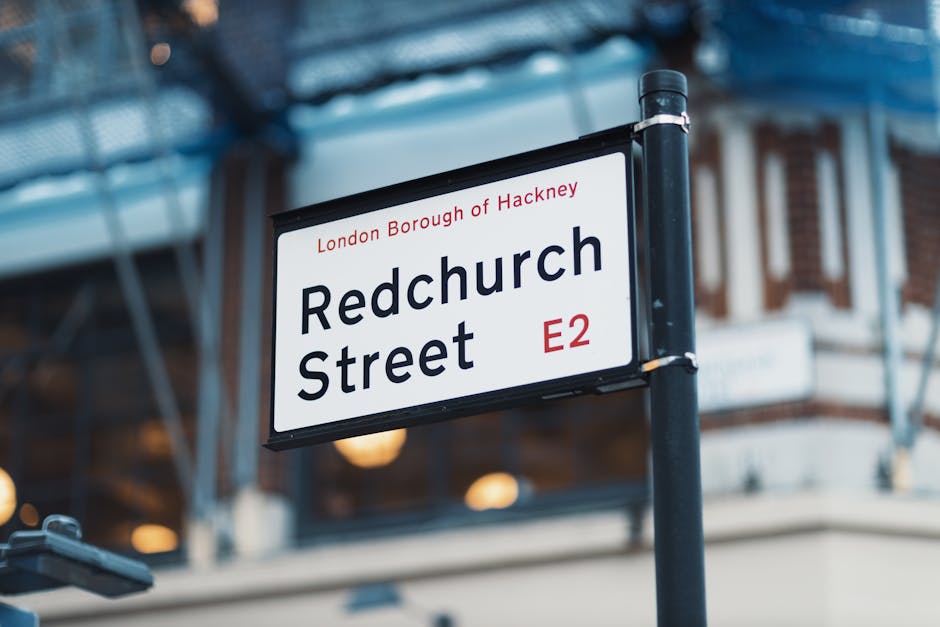
Hackney is a London borough in the east of the city, shaped by a long industrial and residential history that is still visible in its streets, parks and surviving buildings. The area includes a mix of established neighbourhoods such as Hackney Central, Dalston, Shoreditch fringe districts, Stoke Newington and Homerton, each with its own character and architectural layers. The borough grew rapidly in the nineteenth century as London expanded, with terraces, warehouses and civic buildings appearing alongside older village centres and former estates. Parts of the built environment still reflect that transformation, from converted industrial premises to Victorian housing and later post-war redevelopment. Hackney Marshes, one of the best-known open spaces in the borough, sits beside the River Lea and has long been associated with recreation and sport, while London Fields provides another well-used park with a strong local identity. The borough also contains cultural venues, markets, independent shops and a notable concentration of creative businesses, especially in areas that once housed light industry and distribution uses. Streets such as Mare Street and Kingsland Road link several of these districts, while the transport network, including rail and Overground stations, supports the borough’s role as part of inner London. Hackney’s variety is one of its defining features: conservation areas, canal-side stretches, social housing estates, converted workshops and busy commercial corridors all sit within the same borough boundary, creating a place that is layered, busy and continuously changing.
Items, materials and responsible disposal

Commercial waste collections work best when the contents are described as accurately as possible, because disposal routes vary according to the material. General waste, cardboard, paper, office furniture, shelving and shop fittings all raise different handling considerations. Some items may be suitable for reuse or recycling, while others need to be taken as residual waste. A careful approach helps avoid sending recyclable materials into the wrong stream.
Where a business is replacing furniture or equipment, it is often useful to group the items by type before collection. That can apply to desks, chairs, cabinets, reception furniture, display units or redundant appliances. If items are dismantled already, mention that; if they are still assembled, mention that too. These small details can affect how long the loading takes and what is needed to remove everything safely from the site.
We also handle jobs where commercial waste appears alongside redundant household-style items from staff areas, storage rooms or communal back-office spaces. In those cases, it is still best to focus on what needs taking away rather than trying to categorise every item in advance. A short, clear description is usually enough to identify whether the collection is straightforward or whether it needs a fuller clearance plan.
Choosing the right business waste service
Different premises need different levels of support, so the right service depends on more than the amount of rubbish alone. A small office may only need a regular collection for paper, packaging and general waste, while a larger retail or hospitality site may need help with mixed clearances after refurbishments or stock changes. Matching the service to the job helps keep costs and disruption proportionate.
Our business waste removal can be arranged around recurring collections, occasional clearances and more specific item types where they are part of the same overall commercial job. If your waste includes appliances, furniture or bulky contents, it is better to note that at the quotation stage rather than adding it later. Accuracy matters most when the waste is mixed, because mixed loads often need more careful sorting and planning than a single stream of bagged rubbish.
Commercial waste removal in busy premises
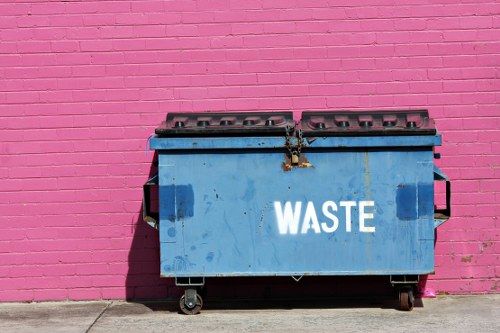
Working premises need waste removed without unnecessary interruption. Shops need floor space kept usable, offices need bins and storage areas kept manageable, and hospitality sites often need collections to fit around trading periods or deliveries. Commercial waste removal is therefore not only about lifting items away; it is also about making the process fit the setting. That is why it helps to know when the space is available, where the waste is stored and whether any parts of the premises are shared with others.
When the collection point is not immediately obvious, a simple internal handover point or a clear note about access can make the process much easier. If waste is held on more than one floor, or in more than one storage area, it is worth describing that clearly. For larger clearances, a basic inventory can also be helpful, especially where furniture, packaging and general rubbish are mixed together in the same job.
If you need commercial waste collected in Hackney, start with a concise description of the waste and the premises, then ask for a quotation. You can review pricing and quotes if you want a better sense of how the work is usually assessed, or request a quotation here when you are ready to move forward.