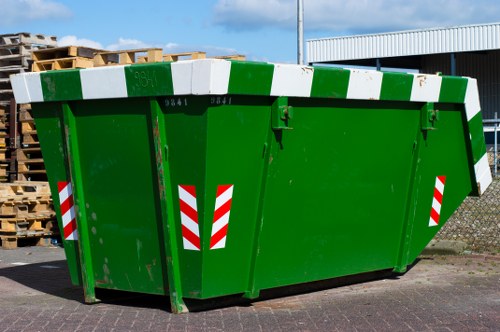
 Commercial Waste Hackney: Recycling and Sustainability in the Borough
Commercial Waste Hackney stands at the intersection of urban business activity and the urgent need for an eco-friendly waste disposal area. Our approach to sustainable rubbish management focuses on measurable targets, clear operational routes through local transfer stations, and collaborative partnerships that turn surplus into social value. This page explains the borough's commercial rubbish strategies and how businesses can contribute to a resilient, low-carbon local economy.
 The borough's commitment is backed by a clear recycling percentage target: a goal of achieving a 65% commercial recycling rate by 2030 for waste collected from shops, offices and light industry. That target complements Hackney's municipal ambitions and aligns commercial waste practices with the wider local authority plan. Hackney's approach to waste separation supports the target—encouraging source segregation of paper/card, mixed recycling, glass and separate food waste streams where appropriate, as well as designated containers for bulky and construction materials.
Local Transfer Stations and Efficient Routing
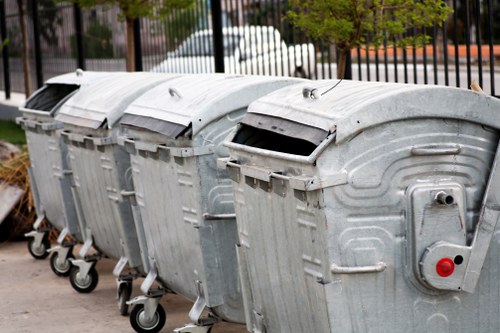 The sustainability of commercial rubbish collection depends on efficient routing to nearby transfer stations and material recovery facilities. Commercial waste in Hackney is consolidated at strategically located transfer points that connect to recycling centres across North London. These local transfer stations lower double-handling, reduce mileage, and increase the proportion of material captured for recycling and reuse. Key operational practices include proactive load segregation, accurate manifesting of materials, and real-time route optimisation to cut carbon emissions from collection fleets.
To make this concrete, services in the area prioritise:
- Source-separated collections for paper, cardboard and mixed recyclables
- Dedicated food-waste streams where businesses produce sufficient volumes
- Bulky and electronic waste routes feeding refurbishment and dismantling hubs
Partnerships with charities and social enterprises transform collection into social impact. Local charity partners accept usable furniture, textiles and equipment; social enterprises run repair cafés and upcycling workshops; and accredited re-use networks divert items from waste streams. Rather than disposal, many commercial streams are rechanneled into charity retail and community redistribution schemes that support residents and reduce the need for new goods.
Low-Carbon Vans, Last-Mile Solutions and Operational Measures
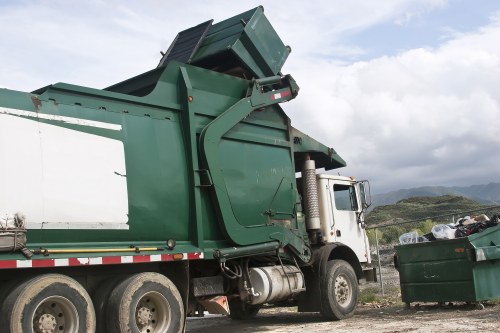 Hackney's commercial waste fleet strategy is a core pillar of its sustainable rubbish area vision. A shift to low-carbon vans—electric and hybrid vehicles supplemented by cargo bikes for last-mile deliveries—reduces local air pollution and carbon intensity. Operators serving the area are encouraged to invest in battery-electric vans, payload-appropriate EVs, and emission-reduction technologies such as telematics and driver training for eco-driving. Every avoided mile and every tonne diverted from landfill contributes to the borough's climate targets and creates quieter, cleaner streets for residents and businesses.
 Monitoring and transparency are essential. Regular reporting on tonnages, recycling rates and route emissions ensures accountability against the 65% target. Businesses are supported with waste audits, clear segregation labels, and collection schedules that minimise contamination and maximise material recovery. Commercial waste Hackney-focused audits often reveal quick wins: increased cardboard baling, separated food waste for anaerobic digestion, and dedicated e-waste collection schedules for IT equipment and batteries.
The borough also emphasises practical materials flows for the most common commercial streams:
- Cardboard and paper baled for high-value recycling
- Plastics segregated and cleaned to meet sorting facility requirements
- Glass cullet routed to specialist processors
- Food waste collected separately for anaerobic digestion or local composting schemes
- Construction and demolition waste separated on-site and transferred to certified recovery facilities
Measuring success means more than tonnage; it means social reuse, reduced lifecycle impacts and lower emissions per collection. The borough's sustainable rubbish area approach also includes periodic review of transfer station capacity, investment in consolidation centres to reduce vehicle movements, and ongoing dialogue with charities to expand reuse pathways for furniture, textiles and surplus food.
By embracing collaborative collection models, prioritising low-carbon fleets and setting clear local targets, Hackney can convert commercial waste into a measurable sustainability success. Businesses have a pivotal role: adopting clear on-site separation, engaging with approved collection partners, and supporting local reuse schemes helps the borough reach its recycling goals while preserving resources and cutting emissions.
Commercial Waste Hackney is a shared endeavour—one that balances the practicalities of urban commerce with a long-term commitment to resource stewardship. With targeted recycling percentages, smarter transfer logistics, partnerships with charities and a growing low-emission fleet, the borough is building a truly sustainable, eco-friendly waste disposal area and resilient sustainable rubbish area for everyone.
